seismic wire rope, also known as seismic cables or seismic lines, plays a crucial role in the field of geophysics. These specialized ropes are used to help detect and monitor seismic activity deep within the Earth’s crust. From earthquake prediction to oil and gas exploration, seismic wire rope is an essential tool for many industries.
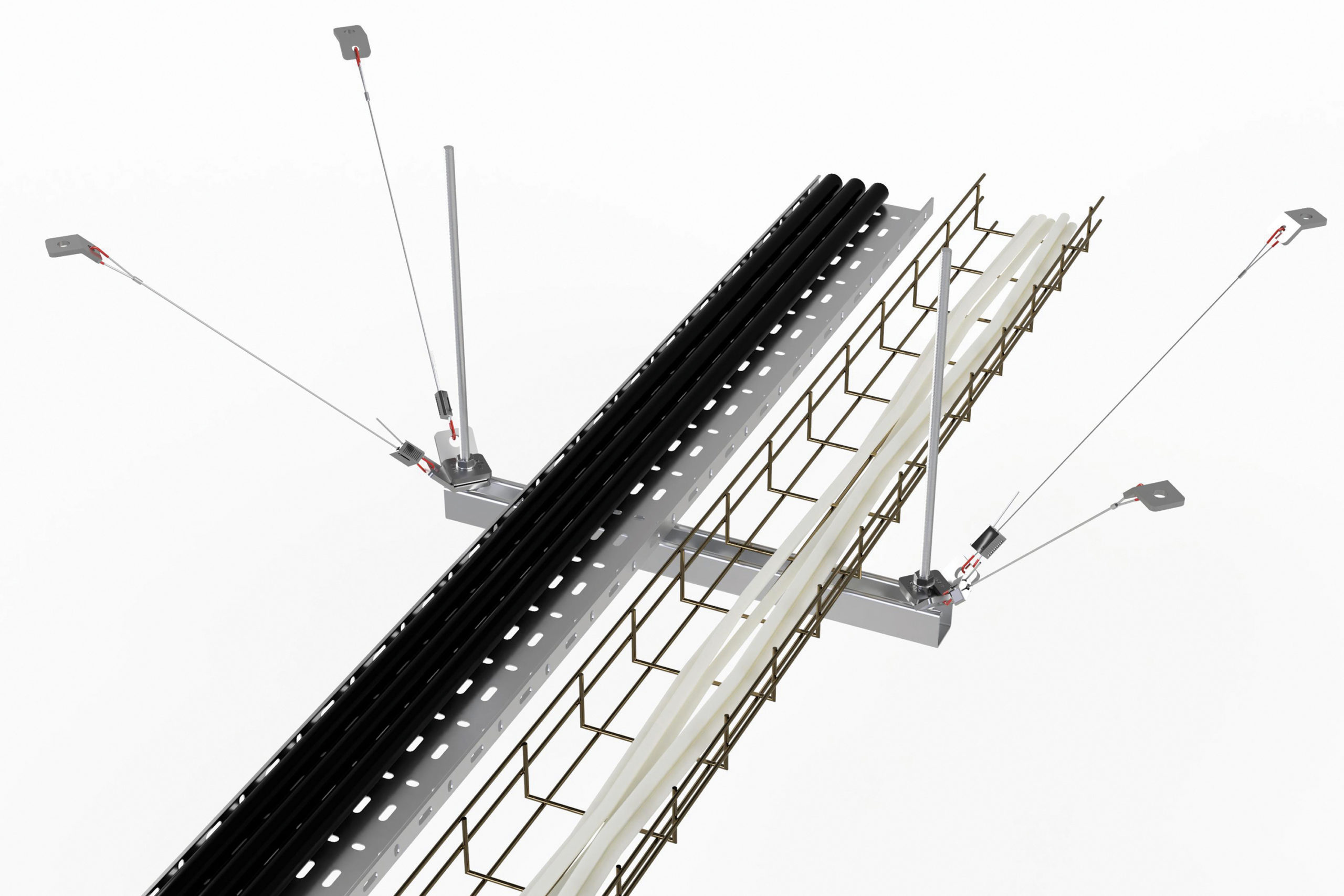
So, what exactly is seismic wire rope and how does it work?
seismic wire rope is a durable and strong cable made up of multiple wire strands twisted together. These cables are typically made of high-strength steel and come in various lengths and diameters to suit different applications. The primary purpose of seismic wire rope is to transmit and receive seismic signals from underground sources.
In geophysical exploration, seismic wire rope is used to deploy sensors called geophones which measure ground vibrations caused by natural or man-made seismic events. These sensors are attached to the wire rope at regular intervals and are lowered into boreholes or placed on the surface of the ground. When a seismic event occurs, the sensors pick up the vibrations and send the data back along the wire rope to a recording system.
seismic wire rope is engineered to be flexible and durable, with high tensile strength to withstand the rigors of deployment in harsh environments. These ropes are designed to have low stretch and minimal friction so that they can accurately transmit seismic signals over long distances. The quality of the wire rope is crucial to the success of a seismic survey, as any damage or weakness in the cable could result in loss of data or inaccurate readings.
One of the key advantages of seismic wire rope is its versatility. These cables can be used in a wide range of geophysical applications, from shallow subsurface imaging to deep crustal exploration. Seismic wire rope is commonly used in oil and gas exploration to map underground rock formations and identify potential drilling locations. It is also used in earthquake monitoring to study fault lines and predict seismic activity.
In addition to its use in geophysics, seismic wire rope is also employed in civil engineering and construction projects. The cables are used to monitor ground vibrations and settlement in buildings and infrastructure, helping to ensure the safety and stability of the structures. Seismic wire rope can also be used in slope stability monitoring, dam safety inspections, and other geotechnical applications.
As technology advances, so too does the design and capabilities of seismic wire rope. Modern cables are equipped with advanced sensors and communication systems that allow for real-time data transmission and remote monitoring. Some seismic wire ropes are even designed to be self-healing, with the ability to detect and repair minor damages to the cable without human intervention.
In conclusion, seismic wire rope is a critical component of geophysical exploration and monitoring. Its strength, durability, and versatility make it an indispensable tool for a wide range of industries, from oil and gas to civil engineering. As our understanding of seismic activity deepens, so too will the demand for high-quality seismic wire rope to help us unlock the secrets hidden beneath the Earth’s surface.